
When the Waters Recede…
We had an unexpected experience this summer.
My husband and son had left the house to go to the gym together before heading to a birthday party. A lightning storm had started as they drove away, and the rest of my children were planning to join them at the party later with their uncle. However, within a short time, the rain began coming down harder and harder.
Soon, we looked out the back door and saw tiny mountains of hail piling up in the backyard. At first, I was nervous for my hydrangeas that were just beginning to bloom. But when I looked out the front door, I saw something I had only ever seen on the news: a flood. (Spoiler alert: the kids who stayed home did not make it to the birthday party that evening.)
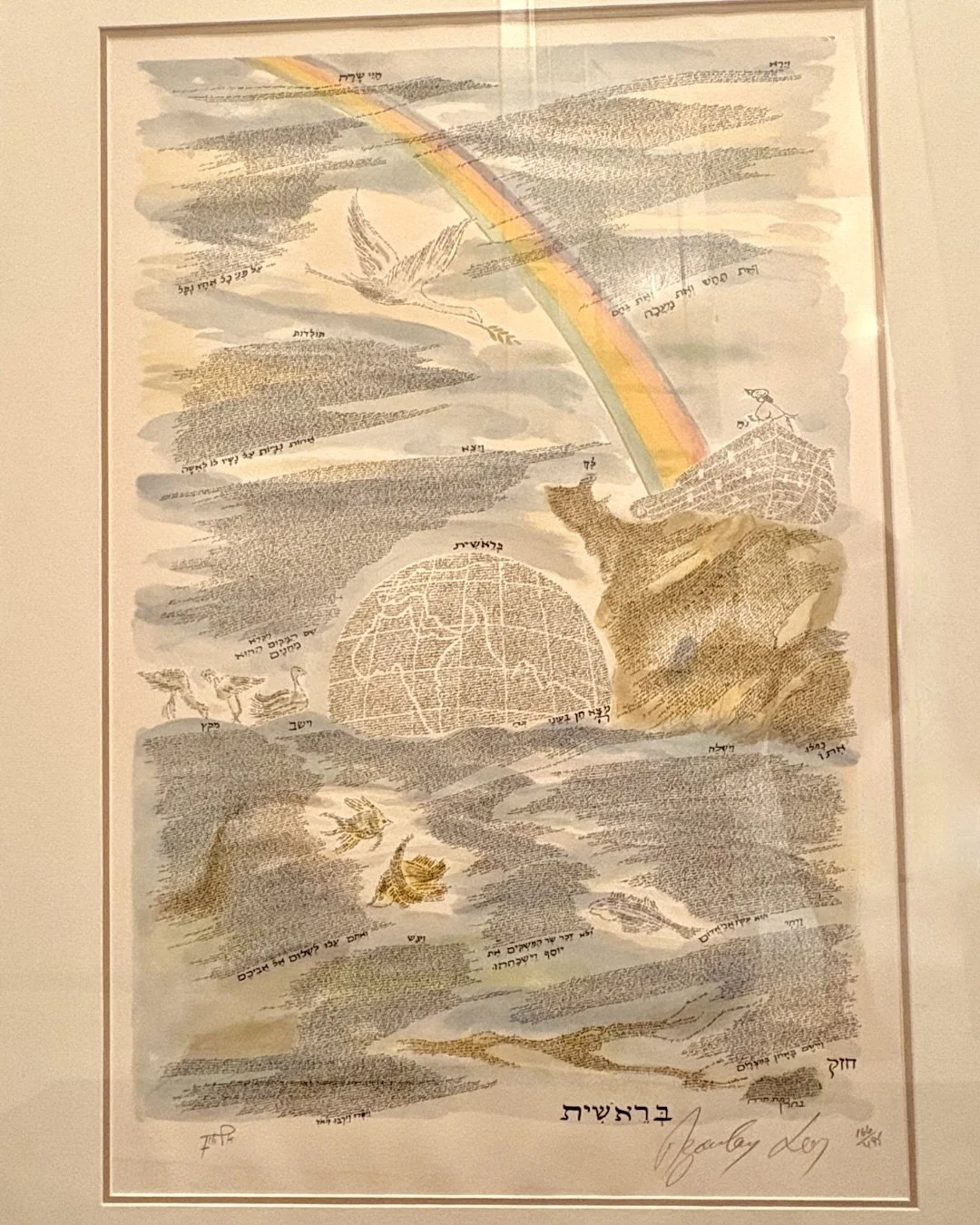
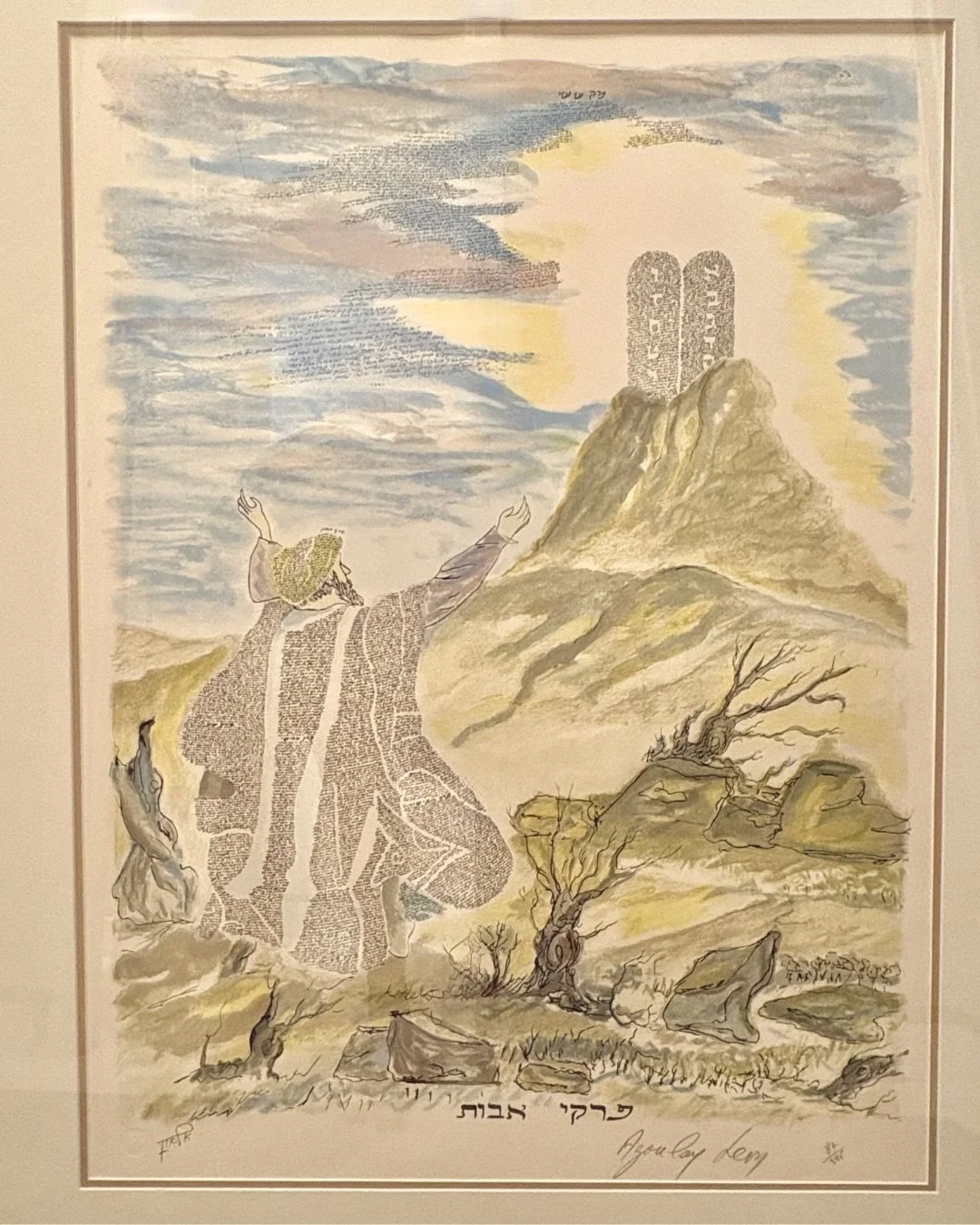
The cars in my neighbors’ downward-sloping driveway were floating. Water was quickly making its way up closer to our front door. I ran downstairs and saw water already filling the basement, where half of our boxes from a recent move were still unpacked. I quickly put on my rain boots and grabbed the two most important items I could reach: two framed micrography pictures (artwork made from tiny Hebrew lettering that forms an image; the pieces I managed to save are pictured in the end notes).[1]
By the end of it all, our basement had thirty inches of water, and all our belongings that had been downstairs were damaged.
Thankfully, my husband and son were still able to make it home later that night. The next day, after the water had receded, we went downstairs to begin documenting everything we had lost for the insurance company. The flooding had been caused by the city's plumbing and infrastructure being overwhelmed with 125 millimeters of rain in just 15 minutes. Because the water was contaminated, every damaged item had to be photographed, documented, and thrown away.
There were large losses, like gutting the entire basement, replacing the furnace, and dealing with the damage to our home. But there were also personal losses: linens, kitchen appliances, keepsakes, handwritten notes, and so many photographs. Although we live in a very digital age, there is something special about printed photos and photo albums. Those were all ruined.
Yet in the middle of sorting through the wreckage, there was a moment that stayed with me. As I looked through our water-damaged photographs, I was reminded of the stories they held: cherished friendships, meaningful opportunities and the growth of our children through the years. The flood took many tangible things from our family, but it could never erase the faithfulness of God woven throughout every one of those memories.
Of course, my mind went straight to Noah’s experience in Genesis 6–9. There are so many remarkable details in that account. Noah spent what was likely many decades faithfully building the ark. He opened the doors to every kind of animal (can you even imagine the noise?!). He said goodbye to the only life he had ever known and stepped into the unknown, trusting God completely.
Yet the part of the account that really impacted my heart was this one simple verse: “But God remembered Noah....” (Genesis 8:1).
At first glance, that phrase may sound as though God had forgotten Noah, and then remembered him. But the Hebrew word zakar (זָכַר) – translated “remembered” – does not imply forgetfulness. Rather, when God “remembers” in Scripture, it often marks the moment when He acts according to His promises.
God had not abandoned Noah. He had been preserving him every single day inside the ark. By this point, the water levels had been coming down for 150 days – almost five months! But in Genesis 8:1, God began the next chapter, and the season of surviving began to give way to the season of hope.
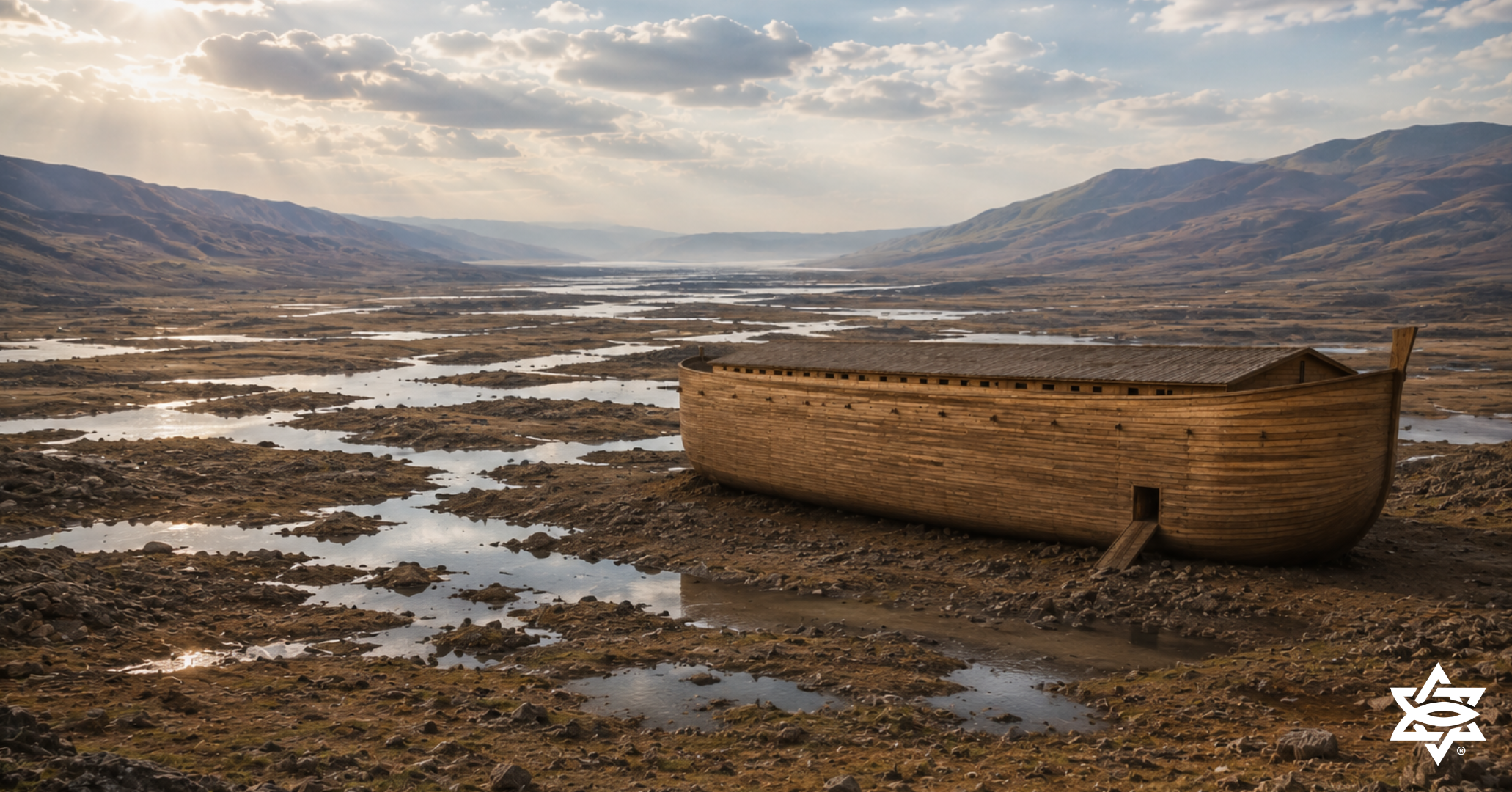
I also love what happened next. God did not instantly remove the floodwaters. Instead, “He sent a wind over the earth, and the waters receded” (8:1b). Restoration came gradually. Dry ground did not appear overnight. God worked patiently – one step at a time – bringing Noah from survival toward a new beginning. That has become deeply meaningful to me after our own flood.
The God who carried Noah safely through the flood is the same God who who leads us forward after the waters recede. Losing our photographs was one of the hardest parts of our flooding experience. Yet while the pictures were damaged, the memories – and even more importantly God’s faithfulness throughout those moments – remain. Looking back reminds me of how faithfully He has carried our family through every season those pictures captured; looking ahead reminds me He is still writing our story.
So, if you feel like you are still in the long days of waiting – or if the waters are finally beginning to recede – perhaps the question is not, “Has God forgotten me?” but rather, “How is God preparing to lead me from surviving to rebuilding?”
Written by Hannah, Life in Messiah Staff Member
How does understanding the Hebrew word zakar ("remembered") deepen your appreciation of Genesis 8:1?
Is there an area of your life where you are still waiting for the "waters to recede"? How can Genesis 8 encourage you today?
What is the difference between merely surviving a difficult season and allowing God to begin rebuilding your life afterward?
Endnotes:
[1] Micrography is a unique Jewish art form that uses tiny Hebrew script, often passages from the Bible, to form intricate images. It beautifully reflects the Jewish reverence for God's Word by making the text itself the artwork. The photo of the artwork below depicting the world and Noah incorporates all of the parashot (weekly Torah portions) from Genesis that are read during the annual Scripture reading cycle.